Access
Part of Coworking service quality
Responding to repeated noise complaints
Identify recurring coworking noise patterns, choose a suitable change and check whether members can work without the interruption.
When noise complaints recur, identify the interrupted activity, where and when it happens, and the sound source. Check those conditions, change what suits the source, then ask affected members whether they can do the work that was interrupted.
Find the pattern
Ask reporting members about the task, location, approximate time and type of sound. Do not require them to identify or confront another member. Check whether calls at desks, conversations near a quiet area, equipment, a corridor or an outside source are involved. Note whether the issue appears during busy periods or only when a particular area is used.
Record an inability to concentrate separately from speech that can be overheard. If a report suggests that an alarm or safety instruction cannot be heard, use the site's safety response promptly rather than waiting for a routine service review.
Key considerations for noise management in coworking spaces
- Record concentration issues separately from overheard speechDistraction and focus loss require different responses than audible conversation
- Act immediately if alarms or safety instructions are blockedDo not delay safety-related noise checks; respond under site safety protocols
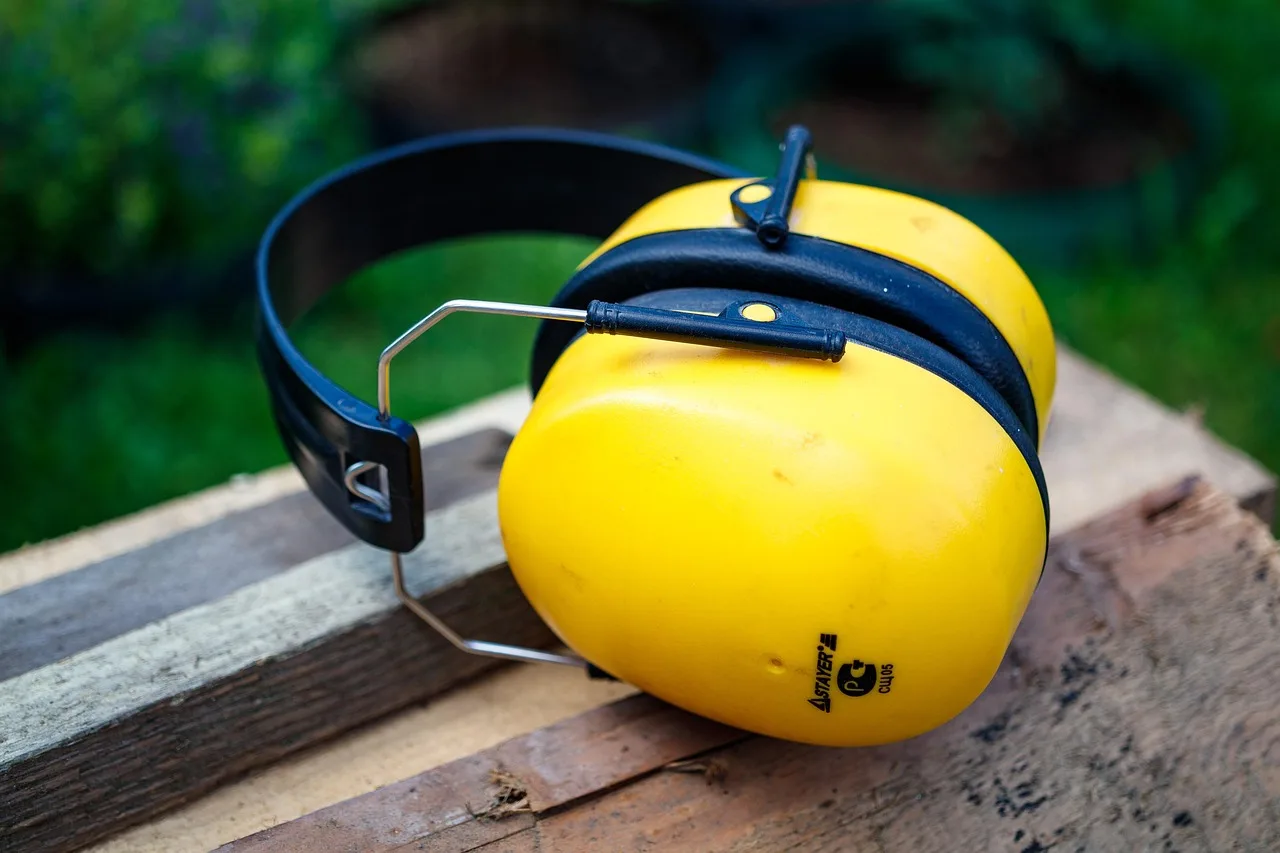
- Avoid relying solely on headphones for shared space problemsHeadphones are individual solutions; systemic changes are required for recurring issues
Match a change to the source
Recurring pattern / Change to examine
- Calls spill into desks
- Booth availability, call rules and a suitable overflow option
- Conversations cluster beside quiet seats
- Location of the discussion point and the quiet-area boundary
- Equipment interrupts work
- Its condition and possible placement
- Sound crosses from a room or corridor
- Door use, layout and the need for acoustic advice
Possible changes include separating noisy activities, moving equipment or adding acoustic measures. Choose a response that fits the building and its membership rules. Headphones may help an individual but should not be the sole answer to a repeated shared-area problem.
Noise sources vs. recommended actions
- Calls spill into desks
- Review booth availability, implement call rules, provide overflow options
- Conversations cluster beside quiet seats
- Reassess discussion point location and quiet-area boundaries
- Equipment interrupts work
- Inspect equipment condition and consider relocating or adding acoustic shielding
- Sound crosses from a room or corridor
- Evaluate door use, spatial layout, and consult on acoustic design improvements
Respond and check again
Acknowledge the interruption and explain what will be checked. If conduct is involved, explain the applicable rule privately and consistently without naming the complainant. If calls are permitted at desks, do not describe that area to members as silent; consider whether the rule, layout or service description needs changing.
Offer an interim work point only if it is suitable and available under the affected member's plan. Name the owner of any physical change, obtain building approval where needed and give a realistic update.
After the change, observe the area at the times complaints usually arise and ask whether the original task now works. If the interruption persists, seek specialist advice where appropriate.